Gavin Newsom’s second term as California Governor is coming to a close, and a new governor will come into office for the first time since 2019.
While the general election is not until November, voters will decide the two candidates who will face off during next Tuesday’s primary election.
There are many candidates seeking to take Newsom’s place, but as of May 20 the leading candidates include Republicans Chad Bianco and Steve Hilton, and Democrats Xavier Becerra, Matt Mahan, Katie Porter, Tom Steyer, Tony Thurmond, and Antonio Villaraigosa.
All candidates seek to build more housing in California and make buying a house more affordable, ideas that align with many students’ interest.
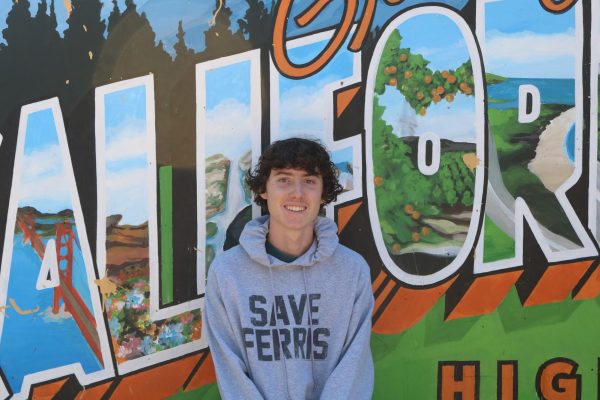
“But you really have to look at how incentivized are people to start a family if they can’t even afford a single apartment or a house for themselves?” senior Elias Nabi said.
While candidates may be aligned about housing, each brings something different to the table for voters to consider.
“[What people look for in a candidate] differs based on each voter, but when it comes down to it, you just got to kind of vote with your gut, because there’s no too clear option,” senior Christian Plechaty said.
Hilton states on his website that he wants to lower taxes on workers and build more houses by deregulating housing regulations in the state.
Bianco wants to overturn the state’s sanctuary law, preventing state law enforcement from interfering with immigration enforcement, according to KQED.
Both Republicans seem aligned with President Donald Trump’s polcies.
Hilton has Trump’s endorsement.
In contrast, opposing Trump seems to drive a lot of the Democratic candidates’ campaigns.
“There’s also some people who are just running on not liking Donald Trump, which is not something that I’m really focused on,” senior Maathini Vijayanand said.
Of the six leading Democrats, billionaire Tom Steyer is a climate activist who made money selling his investments in fossil fuels and private prisons. He looks to battle large businesses and utilities, with KQED stating that he wants to cut electricity bills and lower how much money utilities like PG&E get.
Sharing a similar stance as Steyer, Katie Porter, who previously held a congressional seat in Orange County, plans on taxing businesses more. She also plans on eliminating income tax for low-income families.
San Jose Mayor Matt Mahan is basing his campaign on his short time as mayor, citing on his website his successes in housing and homelessness as reasons for why he should be governor.
State Superintendent of Public Instruction Tony Thurmond wants to provide a tax credit to low income families, according to CalMatters.
Former Los Angeles Mayor Antonio Villaraigosa wants to lower gas prices by not using foreign oil, using more clean fuels and cutting regulations.
Xavier Becerra, previously the state’s attorney general and U.S. Health Secretary, has the goal of improving the state’s Medi-Cal program, which provides public health insurance for low-income people.
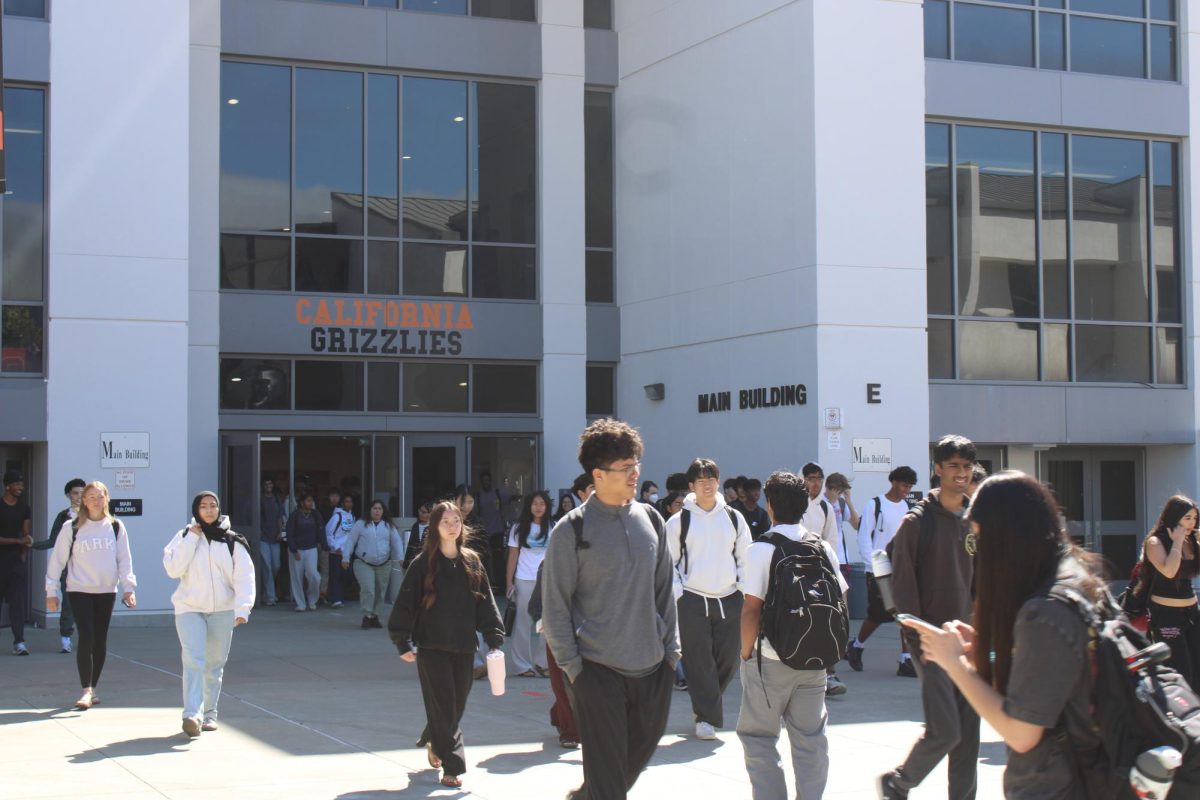
Although most Cal High studnets are not old enough to vote, next Tuesday’s primary will be the first opportunity for some seniors to cast a ballot.
“What I really look for is who they’re funded by,” Nabi said. “I think campaign finance isn’t talked about enough, lobbying isn’t talked about enough.”
One major factor that goes into voting is what problems students feel candidates should be addressing as governor.
“I’d say [one issue that should be addressed is] climate change, we need to become energy independent,” senior Ahriyan Anand said. “I think two, we have to have affordable housing, medical assistance.”
As of April 2026, the race is tight, with CalMatters showing Hilton leading with 22% of voters’ support, followed by Becerra with 21%.
A split vote could lead to two Republican or two Democratic nominees heading into the general election in November.
This stems from the Top Two Candidates Open Primary Act, which sends the two candidates with the most votes to the general election, regardless of party.
A huge controversy stemming from the race was District 14’s congressman, democratic candidate Eric Swalwell’s recent dropping out on April 12, following a large number of sexual assult and harassment allegations made in mid-April, as explained by NPR.
“I think he was basically the surefire if it had not been for allegations,” said ethnic studies and AP World History teacher William Martin. “And then obviously he was going to get the Democratic nomination, and he was going to be on the ballot in November.”
Since Swalwell dropped out, three debates where candidates take the stage to answer questions and make their case for governor, have been held, with the third debate held on May 14.
The three debates covered healthcare, immigration and educational policies, allegations of electoral fraud, and most notably, the topic of taxing the top 1%.