As demand for Cal High’s weight program grows, students are pushing back against possible increases in class sizes next year.
School administrators are working to accommodate an expected growing number of students in a class that may not be able to support them with proper equipment or leadership.
In response to what students expect to be higher enrollment numbers for next school year, students feared the school considered larger class sizes, leading students to believe the class’ three sections could grow more crowded than their average of about 35 students.
After learning about the possible larger classes, many students responded by organizing meetings with Principal Demetrius Ball. The meetings between the students resulted in a 10-page document separated into eight sections, which includes everything from students’ safety to the community the class creates to the class quality based on student numbers.
The document is complete with testimonies from current students, student leads, and Quality Control Officers (QCOs), explaining class size should not increase.
QCOs are students appointed to oversee the leads and are also responsible for content creation, appointments with administration and the library, weekly lectures and curriculum, and finding guest speakers, which have included military members and health teachers.
Leads are accountable for directing students’ activities throughout the period. Students can apply for the position in their second year of weights.
Sophomore student associate Nick Purnell explained how the document was meant to share with administrators the community the class has created. He firmly believes the culture and structure of the weights program needs to be preserved.
“We have a big community in this class that’s able to connect with all kinds of students,” Purnell said. “We go across all different grades, all different interests, and we can all have fun together in weights where nothing else matters.”
Ball said class sizes are determined by student enrollment requests and teacher contract limits rather than a fixed cap. He said class sizes are likely to remain closer to the original class-preferred numbers around 35 students and not balloon to 50-60 students as some members of the class fear.
Although he admired the students’ efforts by creating the document and meeting with him, Ball said the decision about the weights classes is ultimately based on scheduling decisions and enrollment numbers.
“I was very impressed with the organization of the students,” Ball said. “That’s a great lesson in self-advocacy, collaboration, and being critical thinkers.”
The rumors of increased class sizes raised many concerns, though the most important one seems to be the burdens that would be placed on student leads.
Many students expressed their worries about the student-to-teacher ratio, which could lead to an inability to effectively supervise and maintain class structure within more students in the class.
“The workload for us is important because we really have to grade papers as leads next year,” said sophomore Evan Do, who will be a lead next year.
Purnell echoed Do’s concerns about the new strains on leads, which range between three and four for each class.
“This class is supposed to be fun,” Purnell said. “This class is supposed to be social. This class is supposed to be something that we can all look forward to in our days.”
Another issue that was addressed is the concerns around safety and possible injuries in the weight room with more students in it.
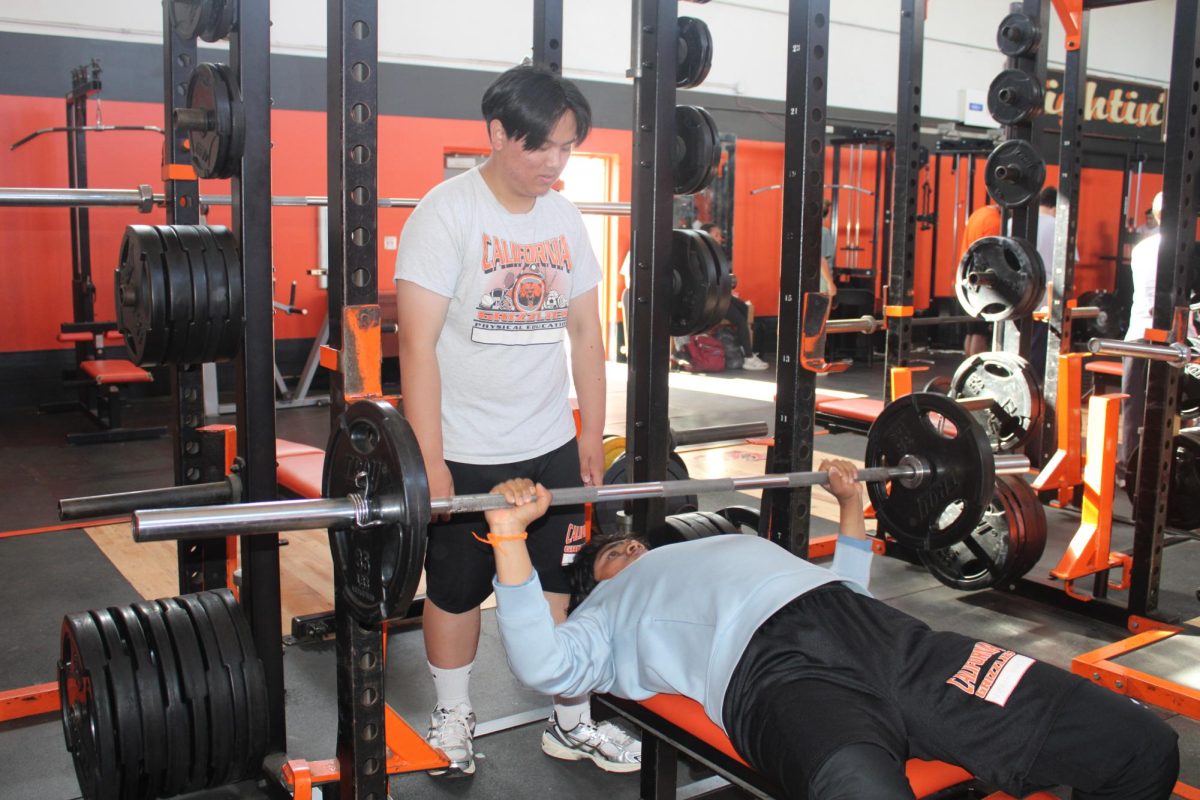
Senior QCO Naomi Parsons said overcrowding issues in the weight room could lead to many safety concerns, including ones involving cages, the four-post steel racks used for supported squats and bench presses.
“We only have eight cages in the weight room,” she said. “So if we increase it up to 50 people, which was a big possibility, there’s a huge chance that kids aren’t even going to be able to have the space to work out that they need.”
Parsons also mentioned the different functions of the weights class that differ from many other courses or traditional classrooms because of the large amount of student-led activities and academic responsibilities.
“A lot of people don’t realize that our class is academic,” said Parsons, noting that the weight machines serve as students’ desks and are used for note-taking during lectures. “Those benches and cages also work as kind of our workstations.”