Imagine a world where the only way to view your favorite movie is by paying a $20 subscription fee per month to a company that might remove it from their platform the next day.
Soon, this hypothetical may become a reality due to the recent $111 billion merger between Warner Bros Entertainment and Paramount-Skydance.
Granted, $111 billion isn’t a small amount of money. That amount could basically cover every single student at Cal High’s college tuition, and then some. Instead, Paramount is using it to buy content to monetize and scale its company even more.
This deal will not only assist Paramount in acquiring a sprawling selection of content, including major franchises such as Harry Potter, DC Comics, and “Game of Thrones,” but also significant news networks such as CNN and CBS.
The end goal of the transaction is to unite the content under one name, which was confirmed by David Ellison, the current CEO of Paramount. According to USA Today, Ellison said, “We do plan to put the two services [Paramount and HBO Max] together, which today gives us a little over 200 million direct-to-consumer subscribers.”
The buyout was finalized after Paramount offered a whopping $31 per share in cash for Warner Bros, which outbid Netflix’s offer of $27.75 and prompted them to back out on the deal, according to
USA Today. Essentially, this means that Paramount proposed a higher bid for the stock of Warner Bros, and paid enough to own the entire company, as well as the entertainment associated with it.
This large acquisition was preceded by months of intense bidding wars between Paramount, Netflix, and Comcast, and there is a large amount of concern following it.
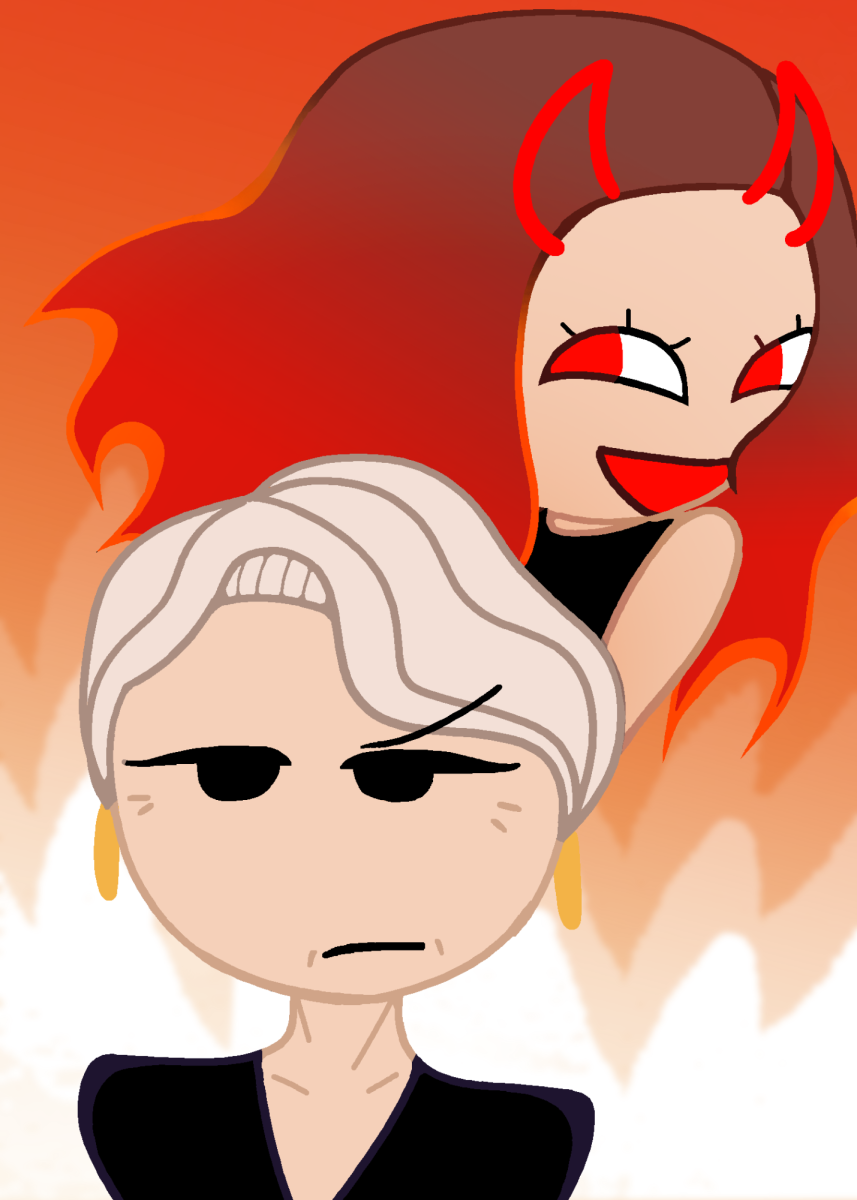
It isn’t too alarming that one company will be owning a large portion of content. But it’s rather concerning that Ellison’s father Larry Ellison, who is Oracle’s co-founder and an open supporter and donor of President Donald Trump will be owning it. People have concerns about the ownership of news networks being associated with a political party.
This merger is problematic and may even contribute to the end of classic Hollywood.
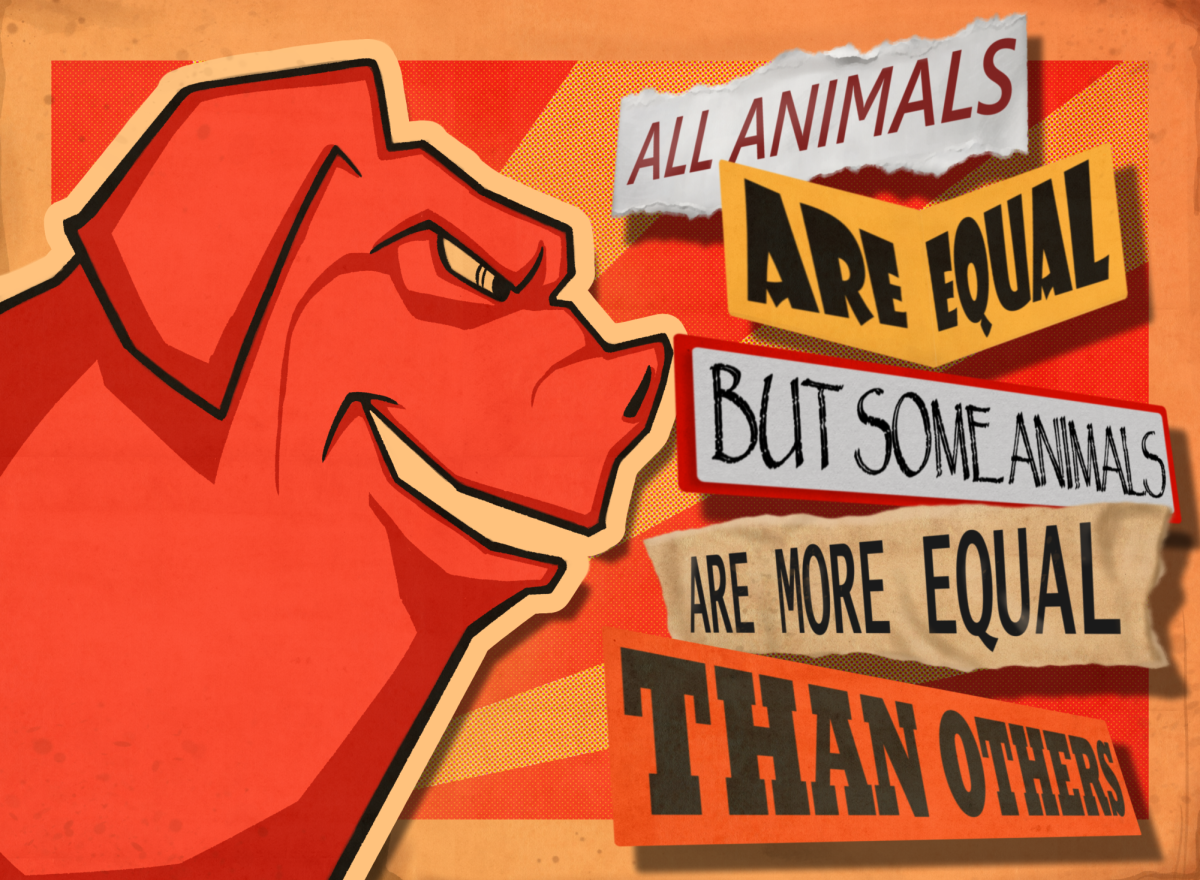
The significant part of the merger isn’t the amount of money involved, but also about the amount of control involved.
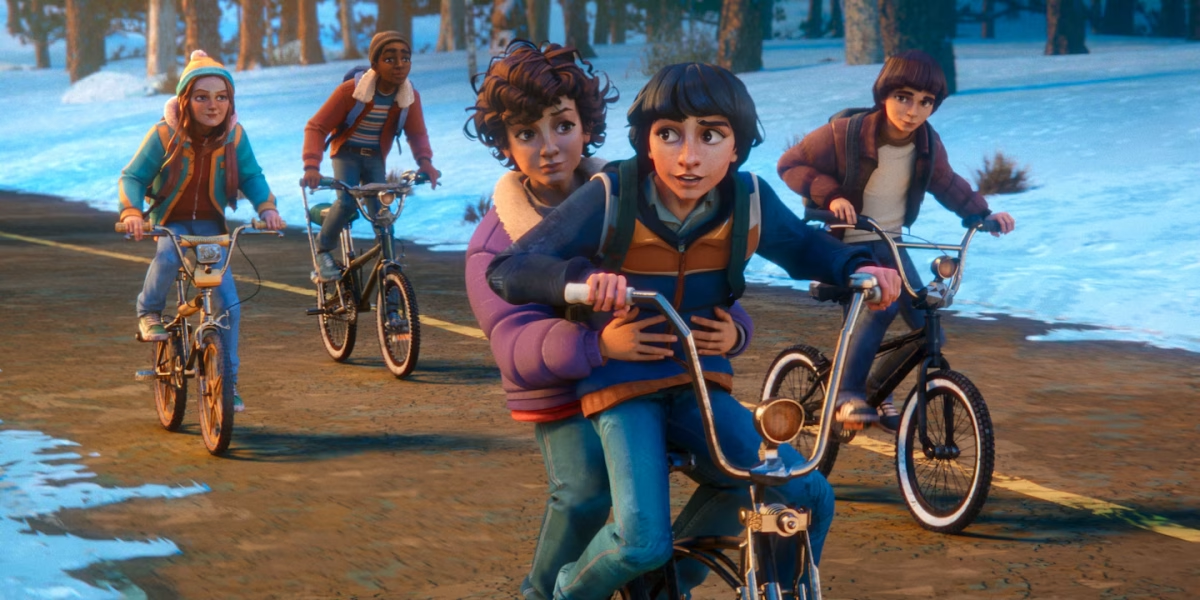
When one company owns everything from Harry Potter to the news, it can feed viewers content of their choosing. With more convenient services like streaming, people no longer have to go to the movie theaters to watch new releases.
Additionally, the Motion Picture Industry reports that the “rise of usage of streaming services has led to a decline in theater attendance.” This should come as no surprise as it also reports that global theater attendance dropped 4% in 2021, due to the wide selection of films on streaming platforms.
The magic of the movie theater industry is being replaced by short-lived convenience. What is the cost of losing an experience that has been so significant in pop culture since it was invented more than a century ago? And what is the cost of having the news potentially filtered or controlled by an outside source?
While it is sad that the movie theater experience may be ending in the near future, it was inevitable with the availability of streaming services. It was going to happen whether or not Paramount bought Warner Bros.
But the political aspect is very distressing and could lead to the spread of propaganda and sanitized media.
We as Americans can’t trust news outlets that are being controlled by one company, or managed by someone connected to a passionate supporter of a political candidate.
Besides the fact that there are billions of dollars involved in this deal, the truth shouldn’t have a cost. Not in a democracy.
America learned on April 23 that the deal was officially approved by Warner Bros.shareholders.
The merging of the companies also depended on the approval of the government to rule whether the merger is ethical.
Now that the deal is approved, it is not clear how much the new Paramount/HBO Max streaming service will cost. But it is believed that consumers will no longer be able to have access to cheap streaming services featuring some of their favorite films, and will have to turn to a larger, more expensive service to access what they had before.
Whether the results are better movies and streaming services, or higher prices, only time will tell.