A year ago, Timothée Chalamet and EsDeeKid wouldn’t have existed in the same cultural conversation.
One of them is a highly acclaimed actor, with various prestigious awards and meticulously worded interviews about his “craft”.
The other exists almost entirely online, known more for the absurdity of his presence more than what he actually does.
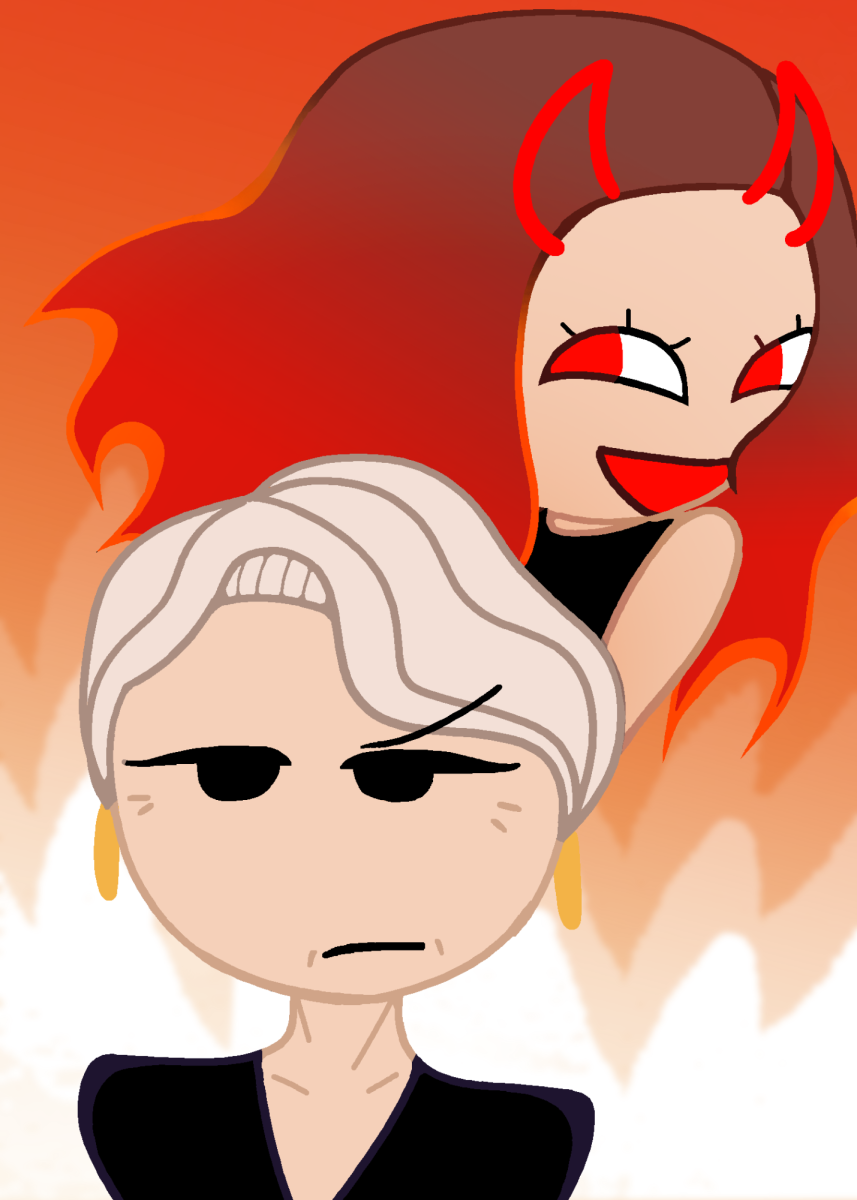
Traditionally, they would have represented two opposite ends of culture, the goofy and the serious. Now, that distinction barely matters.
Chalamet is often treated as the face of modern prestige cinema. His rise through small roles like Tom in “Interstellar” (2014) to eventually his breakout role as Elio in “Call Me by Your Name” (2017) has established him as one of the most sought after young actors.
He’s recently starred in major films series such as the “Dune” franchise (2021- present) and established himself as a serious actor. He’s someone whose work is meant to be analyzed, reviewed, and discussed with intention.
Some of his most recent films like “A Complete Unknown” (2024) and “Marty Supreme” (2025) have earned him Oscar nominations for “Outstanding Male Actor in a Leading Role.”
On the other hand, EsDeeKid is a product of the Internet’s most chaotic tendencies. He blew up on TikTok around October 2025 due to his unique Scouse accent, the nature of his masked identity, and his songs, including “Phantom” and “LV Sandals”. His fame, by contrast, is built on irony, repetition and recognizability rather than talent in a traditional sense.
On paper, these two figures should never interact. But online, they already have, and not accidentally.
With EsDeeKids masked identity, people tried to figure out who he really is. The most popular conclusion was that he is Chalamet because their eyes look similar. At the time, Chalamet was promoting his upcoming movie “Marty Supreme,” and appeared on a feature of a remix of EsDeeKids’ song “4 Raws.”
This collaboration is less about the content itself and more about what it represents. Chalamet’s involvement signals an awareness of how culture now functions.
Relevance with the younger generation is no longer maintained solely through films or red carpet events, but through participation in the same digital spaces where internet figures thrive. For
EsDeeKid, the collaboration works in the opposite direction.
Being associated with a figure like Chalamet brings an internet personality into the mainstream of pop culture without changing what made him popular in the first place. The humor remains absurd and self-aware, but the audience expands.
What once existed mostly as an inside joke online suddenly becomes part of a broader cultural moment.
Many fans online were surprised to see the two together. The collaboration that took place on Dec. 19, 2025, both broke the suspicion of Chalamet secretly being the British rapper, while also promoting his upcoming movie. This interaction reflects how Gen Z consumes media today.
For example, on platforms like TikTok and Instagram, a clip from a movie can appear directly next to a nonsensical meme, both given the same amount of attention. This split engagement does not prioritize artistic value or cultural importance.
In that environment, a collaboration between a Hollywood actor and an internet figure feels less surprising and more inevitable.
With Chalamet and EsDeeKid, Chalamets promotion of his film “Marty Supreme” showed up right next to clips of EsDeeKids concerts that were gaining momentum. And with seeing these trends next to each other, people started to associate the two with each other, which led to the collaboration itself.
Plus, Chalamet does not lose credibility by engaging with internet culture, just as EsDeeKid does not suddenly gain artistic legitimacy. Instead, both benefit from existing in the same digital space.
The collaboration highlights how fame has shifted away from traditional markers like awards and critical praise and more toward visibility and relatability.
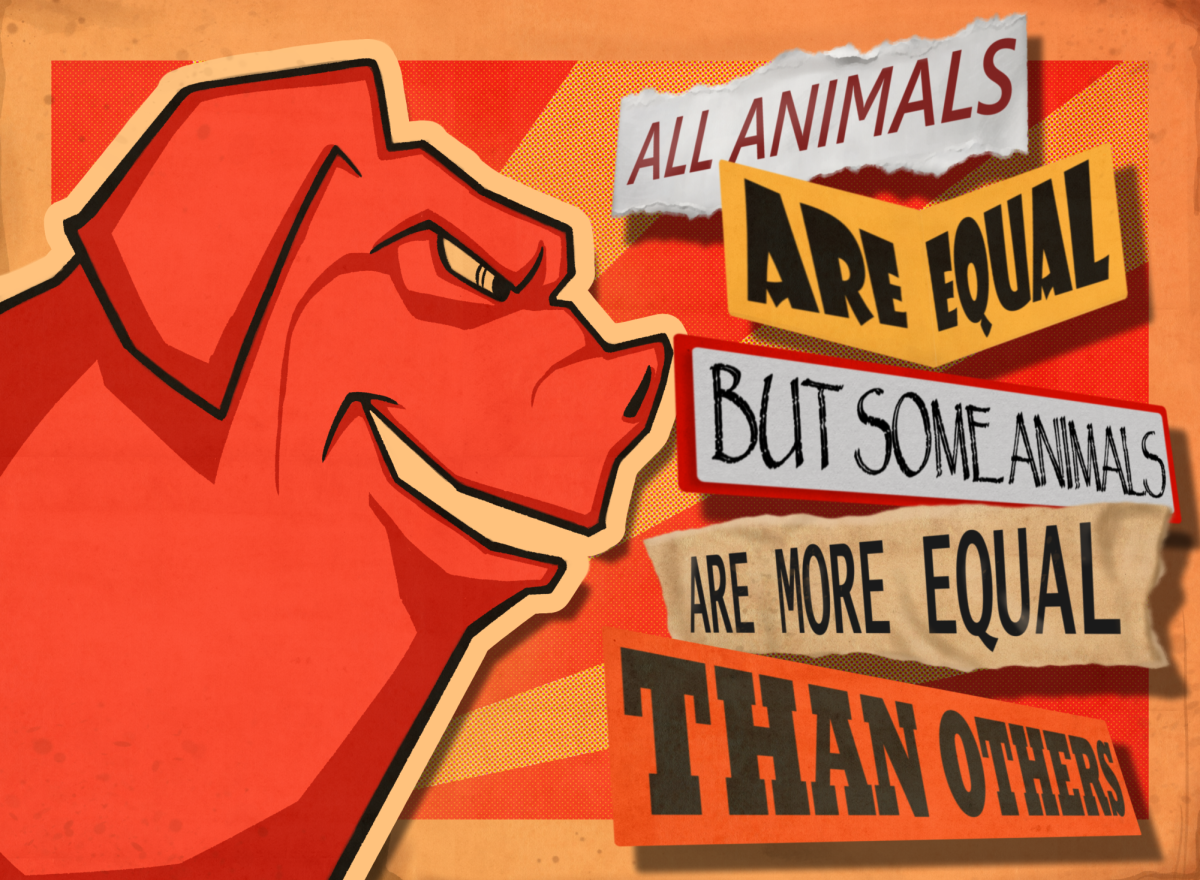
Ultimately, the collaboration between Chalamet and EsDeeKid says less about either individual and more about the current state of culture. The line between high and low culture has not disappeared, but it has stopped functioning as a barrier.
In a media landscape shaped by constant scrolling and shortened attention spans, absurdity and seriousness are no longer opposites. They coexist.