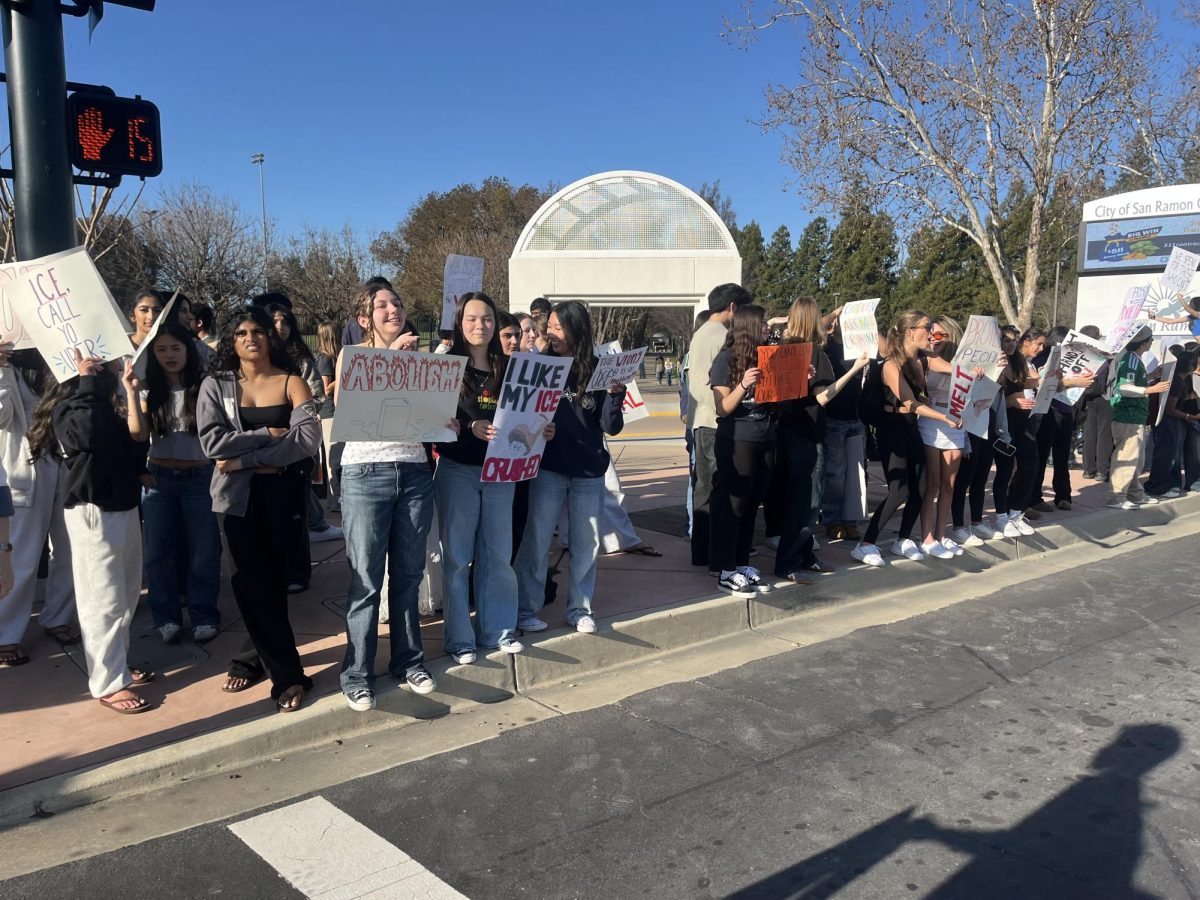
Many Cal High students are aware of recent news following the Trump Administration’s deployment of Immigration and Customs Enforcement (ICE) troops throughout the country.
But what they may not be aware of is the new law recently signed by California Gov. Gavin Newsom to protect citizens.
The No Secret Police Act went into effect on Jan. 1, banning local and federal law enforcement from concealing their identities with face coverings during their duties. It also requires visible badges or name tags on all officers.
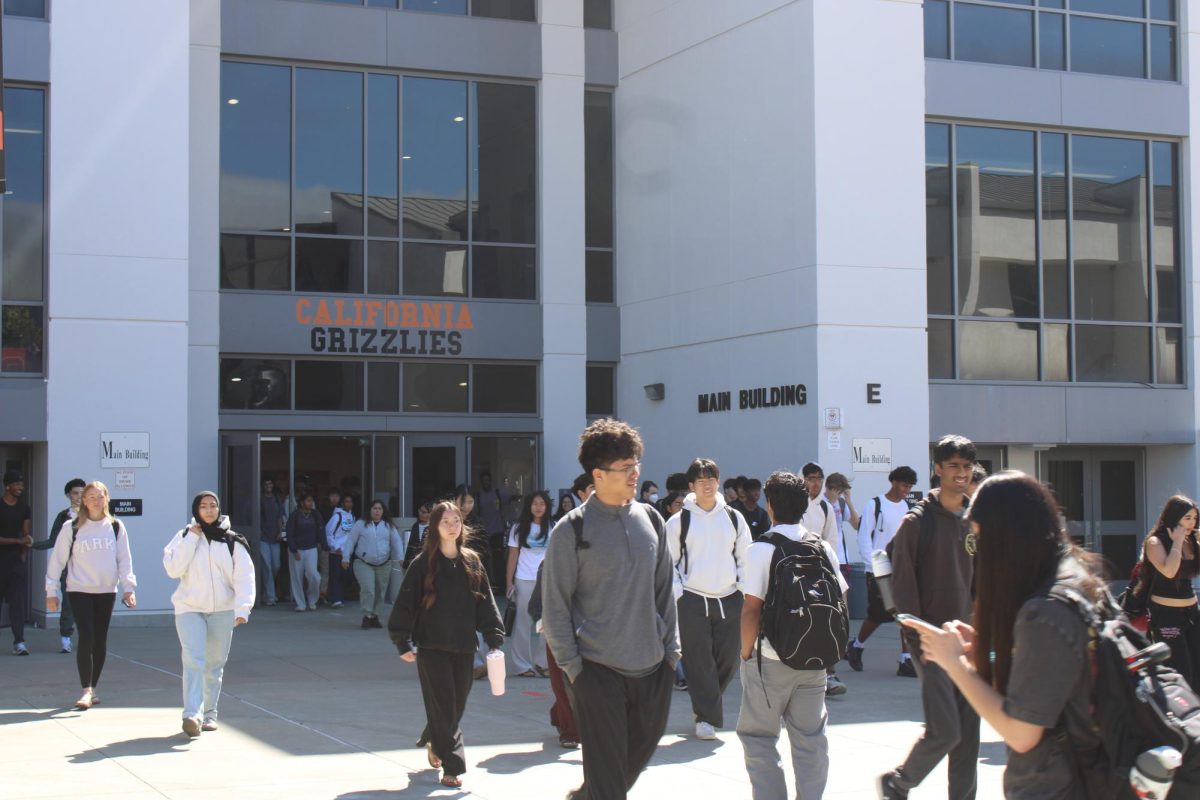
The new law also requires immediate notification for federal immigration activity on all school campuses. ICE agents are prevented from entering a school campus without a signed warrant.
Sophomore Swastika Pokhriyal did not know that ICE could not walk on campus without a warrant.
“If ICE can’t enter the school, then I feel a bit safer,” Pokhriyal said. “But with recent events I feel like we should still be cautious.”
Principal Demetrius Ball said during a press conference with The Californian that he shared an email with students and families about ICE if agents were to come on campus.
“[ICE] will be held at the front office,” Ball said. “That is the only area they are allowed to be in without documentation.”
When signed in September 2025, the Department of Homeland Security (DHS) demanded Newsom veto the bill. The governor clearly did not do so, according to California Senator Scott Wiener, as first reported on Wiener’s official website.
Students, including senior Maathini Vijayanand, support this new law.
“The No Secret Police Act is a step in the right direction,” Vijayanand said. “It is essential to protect the civil rights of everyday citizens.”
This law has gained more public support following last month’s incidents in Minnesota. An ICE agent who fatally shot protester Renee Nicole Good in Minneapolis on Jan. 7 is unlikely to face criminal charges, according to the New York Post. Footage shows the agent firing multiple shots into her open driver’s side window as she attempted to drive away from him and other agents.
Following the shooting just hours later, an incident involving ICE on a Minneapolis high school campus drew attention. The DHS said an individual led ICE agents on a five-mile chase that ended on campus, where multiple students were tackled and exposed to pepper spray and tear gas, according to MPR News.
A few weeks later on Jan. 24, protester Alex Pretti was shot and killed by ICE agents in Minneapolis while he was lying face down on the sidewalk. According to CNN, law enforcement experts who reviewed videos of the shooting believe the officer’s use of deadly force upon protesters showed their lack of training and inexperience.
“I think ICE definitely needs better oversight, from shooting Renee Nicole Good to using unnecessarily extreme force when arresting people,” Vijayanand said. “Not to mention the claims of mistreatment and lack of due process.”
DHS Secretary Kristi Noem and President Donald Trump have discussed using the Insurrection Act in Minnesota to stop the protests, according to Brennan Center. This Act would authorize the president to deploy military forces inside the United States to suppress rebellion or domestic violence, or to enforce the law in certain situations.
This idea was discussed following an ICE officer shooting a man in the leg after he attacked the agent with a shovel on Jan. 14.
Senior Ethan Miyasaki said using the Insurrection Act discriminates against American citizens.
“The Insurrection Act is unnecessary power to the fullest extent,” Miyasaki said. “It feels like we’re living where exhibiting our voices is illegal.”
Junior Brynna Lynn expresses her concerns following freedom of speech.
“I wonder why the president is okay with sending [ICE] out to do the opposite of what our country supposedly values,” Lynn said.
Students agree that requiring ICE agents to display identification ensures the public is aware of who is exercising law enforcement authority. Such transparency allows for officer accountability and reinforces the legitimacy of enforcement actions.