From advocating for civil rights to protesting the Vietnam War to marching against gun violence, students’ voices have made dramatic changes in America. But they have to actually believe their voices matter.
In today’s social climate, however, politics seems to be a topic many students avoid discussing. Now more than ever, students need to believe that they can make a change.
There are many factors contributing to a decline in student political engagement. The first reason is the polarizing and often violent nature of politics these days that is discouraging healthy discussions and exchange of differing opinions.
According to a 2025 national poll from the Institute of Politics at Harvard Kennedy School, many young Americans avoid political conversations, fear judgment for sharing their views and doubt that people with opposing views want what’s best for the country.
Due to this fear, many students believe their political voices are better kept silent.
But it’s not just distrust around talking about politics that steers many students away from political engagement. It’s the political institutions themselves that they distrust.
The same Harvard poll found mainstream media and political parties are viewed more as threats than trusted institutions.
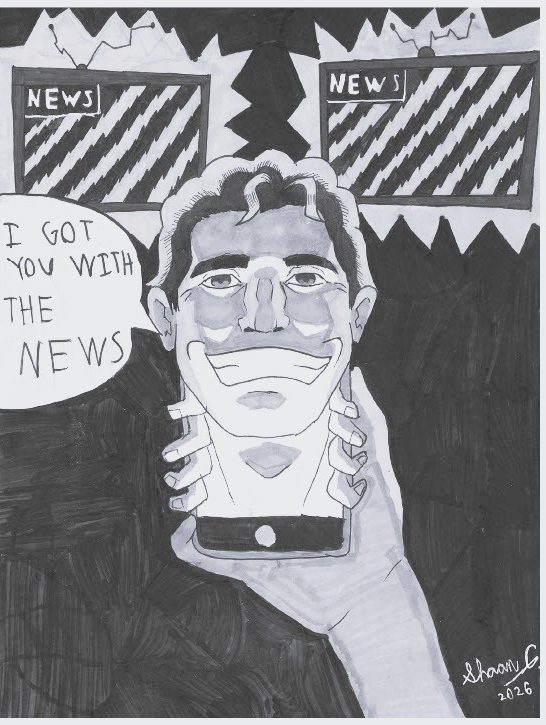
The vicious news cycle that overloads the media can feel stressful to engage with, and many students avoid researching current events because they know it will add to their already crippling anxiety. Paired with distrust for misleading information that corrupts the press, it makes sense that disassociating with politics all together feels like the easier option.
This is a key moment in history when students can’t retreat into what they deem comfortable. The environment needs to shift to make political engagement feel more secure.
Having high political efficacy stems from students’ beliefs that they feel like they have a good understanding of political issues and believe they can make a difference with their voice.
But right now, students are struggling in these areas. So how can students gain higher political efficacy?
Participation in civic engagement should be accessible to students, especially as they approach the voting age.
High schools need to prioritize teaching about civic engagement such as the voting process earlier than just senior year.
A simple addition in curriculum to earlier history classes about civic engagement could encourage students to have healthy debate and learn crucial information. When students learn about the impacts they can make and the value their voices hold, America’s political culture will become healthier.