When the COVID-19 outbreak was declared a pandemic by the World Health Organization (WHO) on March 11, 2020, it seemed like the world froze in time. The excited giggles of kids on the playground faded into thin air, the humming footsteps of people wandering the mall faded and the busy chatter in restaurants disappeared.
The world went silent, but the loss from the pandemic spoke volumes. According to the National Centre for Infectious Diseases, the number of recorded fatalities worldwide from the virus was 7 million, while the actual number could be closer to 21 million.
While WHO officially declared the COVID-19 pandemic was no longer a Public Health Emergency of International Concern on May 5, 2023, the psychological impacts of it still carry over into today’s society. And they are strongly reflected in people’s concerns regarding the recent outbreak of hantavirus aboard the MV Hondius cruise ship.
The ship departed Ushuaia, Argentina, on April 1, and the outbreak was identified shortly after when traveling toward West Africa. CNBC reported that according to the U.S. Centers for Disease Control and Prevention (CDC), there are no confirmed hantavirus cases in the United States, but 41 people spread across 16 states are being closely monitored for the virus.
People can become infected by inhaling the airborne particles contaminated with infected rodent saliva, urine or droppings. But the CDC reported the virus is the rare Andes strain, the only known hantavirus capable of human-to-human transmission.
Despite the CDC reporting that the risk for another pandemic like COVID-19 is extremely low because the hantavirus is not as easily transmissible, many people anxiously speculate that another global lockdown is in our midst.
Anxiety over outbreaks is inevitable given the fact that it took the world three years to recover from COVID-19, but much information about the hantavirus is fear mongering.
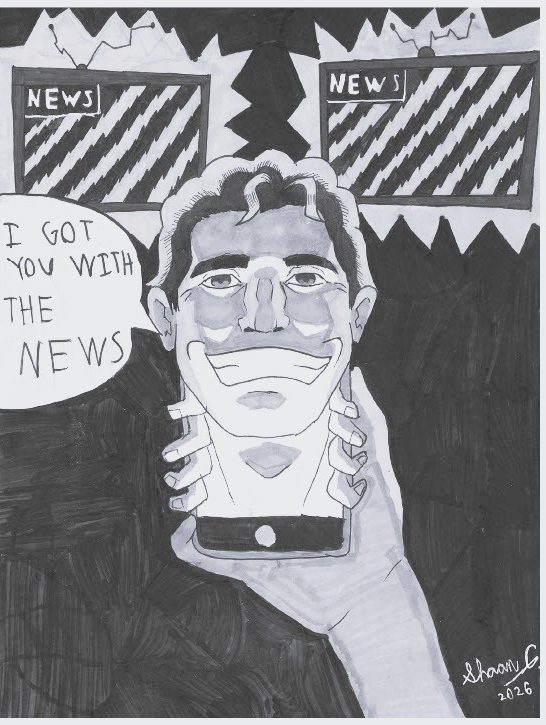
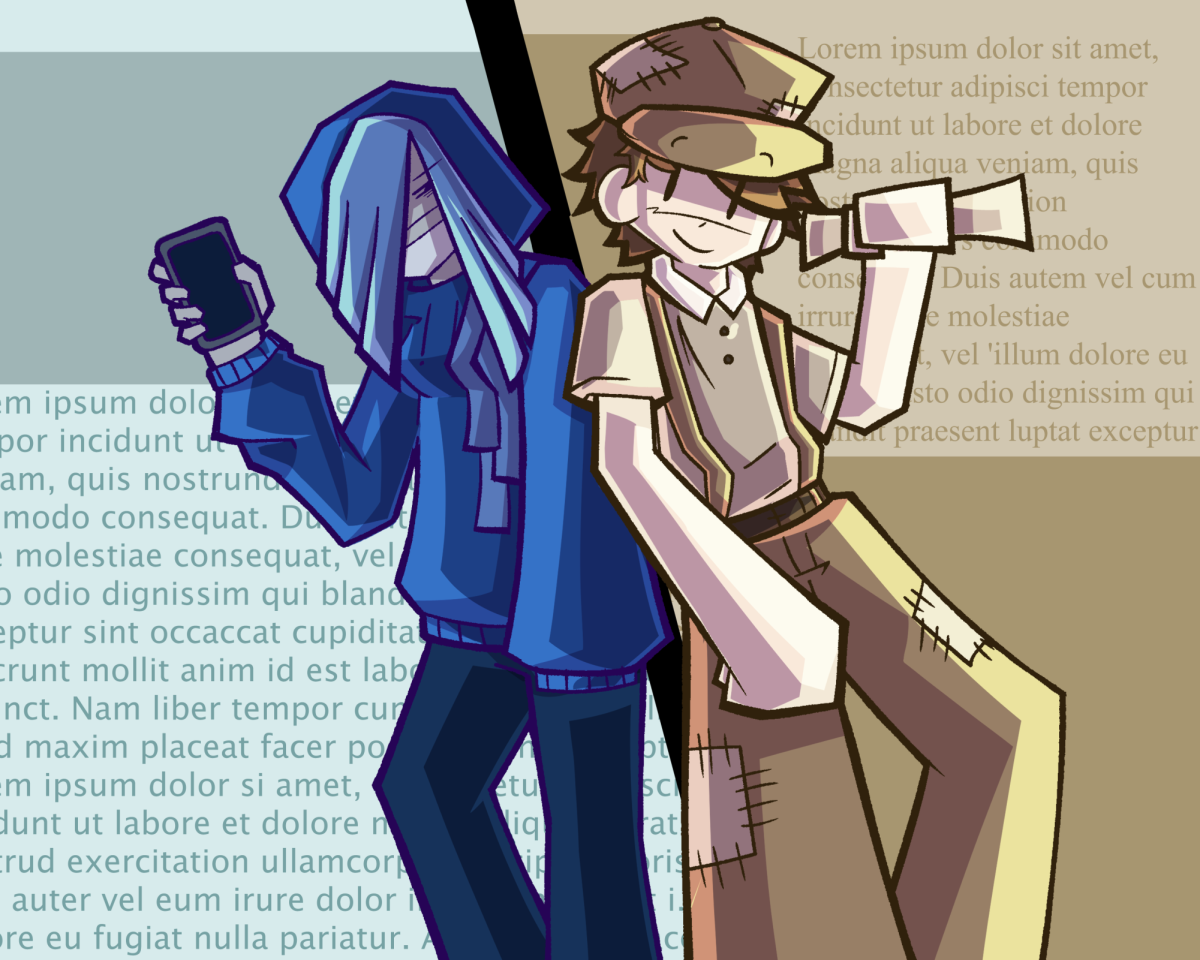
On TikTok, viewers can see self-proclaimed “doctors” spreading their own exaggerated and inaccurate information. Similarly, when COVID-19 happened, there was a significant amount of misinformation.
This is one of the biggest lessons we can take away from the COVID-19 pandemic when we confront new problems like the hantavirus. People should stay educated by using credible sources. Avoid “TikTok experts” and unverified Instagram pop-up ads.
The COVID-19 pandemic taught us that the precautions we take to protect ourselves is up to us and how accurately informed we are.